China Travel Guide
China is a country where ancient traditions, iconic landmarks and contemporary innovation come together in spectacular harmony. Officially known as the People’s Republic of China, this vast East Asian nation is home to more than 1.4 billion people. Mandarin is the official language, and the capital city Beijing.
China’s history spans thousands of years and includes legendary dynasties such as the Qin, Han, Tang and Ming. The Great Wall, first constructed during the Qin Dynasty, stands today as one of the world’s most enduring architectural achievements. In Xi’an, the remarkable Terracotta Army offers a fascinating insight into the craftsmanship and beliefs of Emperor Qin Shi Huang’s era, while the Yungang Grottoes in Datong showcase magnificent ancient Buddhist cave art carved over 1,500 years ago.
Travellers are consistently captivated by China’s rich heritage and contemporary energy. Highlights such as the Great Wall, the Forbidden City and the Terracotta Warriors offer an unforgettable connection to its storied past. Beyond the urban centres, diverse landscapes including the mighty Yangtze River provide breathtaking natural beauty and a deeper appreciation of the country’s scale.
We've outlined some general information that may be helpful to you when planning your next holiday to China.

Time Zone & Currency
Despite encompassing five geographical time zones, the entire country follows a single time zone and is eight hours ahead of Greenwich Mean Time (GMT). The currency in China is the Chinese Yuan.

Weather in China
China’s climate varies across the country, with the north experiencing colder winters and hotter summers, the central regions being generally humid with milder winters, and the south enjoying a tropical climate. The rainy season typically runs from May to September, though its timing and intensity can differ by region.

Reading For Your Trip To China
Falling Leaves by Adeline Yen Mah
Empress Orchid by Anchee Min
Wild Swans: Three Daughters of China by Jung Chang

Best time to go to China
The best time to visit China is during spring (April to June) and autumn (September to early November), when the weather is mild and ideal for exploring outdoor attractions and enjoying vibrant natural scenery. In Beijing, cherry blossoms typically bloom from late March to early April, with the peak season lasting about a week and heavily influenced by that year’s weather. The best place to see them is Yuyuantan Park, which hosts a large Cherry Blossom Festival and features thousands of trees, making the brief spring bloom truly unforgettable.
Top Tourist Attractions In China




8 interesting facts about China
In Chinese culture, the number 8 is regarded as the luckiest. To reflect this, we’ve highlighted eight fascinating facts about China that might inspire you to explore this remarkable country.

Highlights of China: Top cities, iconic sights and experiences
From the awe-inspiring Great Wall to the legendary Terracotta Army in Xi’an, explore China’s most iconic sights and unforgettable experiences. Wander through vibrant cities, ancient temples, and serene landscapes, and discover the rich history, culture, and traditions that make this vast country truly remarkable.
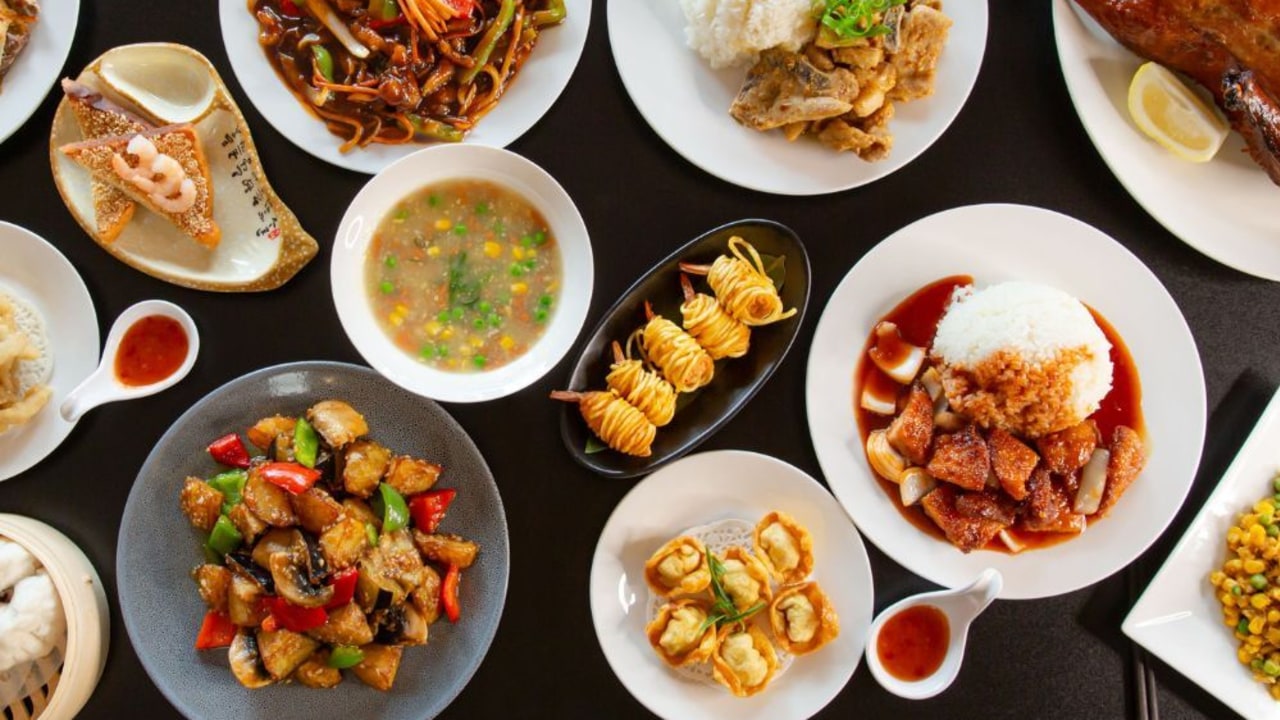
Food and drink in China
Chinese cuisine in its homeland is a vibrant and diverse blend of flavours, textures, and traditions, offering a culinary experience far beyond what you might find in a local takeaway. Some must-try dishes include:
- Peking Duck: A world-famous Beijing speciality, this crispy and succulent roasted duck is served with thin pancakes, spring onions, and hoisin sauce.
- Xiaolongbao: These Shanghai soup dumplings are filled with rich broth and tender pork, making for a delightful treat.
- Hotpot: A social dining experience, this dish allows diners to cook a variety of meats, vegetables, and noodles in a simmering pot of aromatic broth.
- Mapo Tofu: A Sichuan classic, this spicy tofu dish is flavoured with chilli bean paste, garlic, and Sichuan peppercorns for a signature numbing heat.
Tea culture is also an integral part of Chinese dining, with green tea, jasmine tea, and oolong tea being particularly popular. For those who prefer international cuisine, cities like Beijing and Shanghai boast a wide range of Western dining options to suit all tastes.
China Travel Guide FAQs
Can you give a brief history of China

China's history spans thousands of years, marked by the rise and fall of influential dynasties. It began with the legendary Xia and progressed through the Shang and Zhou dynasties, which established early Chinese culture and philosophy. The Qin Dynasty unified China and laid the groundwork for future empires, while the Han Dynasty ushered in a golden age of prosperity and expansion. Subsequent dynasties, such as the Tang, Song, Yuan, Ming, and Qing, contributed to China's cultural, technological, and territorial development. In the 20th century, the Republic of China was established, followed by the People's Republic of China in 1949 under Communist rule. Since the late 20th century, economic reforms have propelled China to become a global economic powerhouse, balancing rapid modernization with its rich cultural heritage.
Do I need a holiday visa for China?
Please refer to our visa page for details regarding the entry requirements for China.
Is China a safe country to visit?
The places visited on your itinerary are generally safe and our guides will always keep an eye out for you. However, in any large city there can be opportunists and pickpockets. It is wise to be vigilant, especially at busy tourist attractions, and always take good care of your personal belongings. Make use of the safe at your hotel, and carry a photocopy of your passport when out and about. Always take extra care when using public transport.
Is English widely spoken in China?
While Mandarin is the official language, many signs in tourist areas are in English, and younger people often speak some English.
Is tap water safe to drink in China?
Tap water in China is not drinkable. Bottled water can be purchased at hotels, shops and other outlets.
Do I need any vaccinations to travel to China?
Prior to travel we recommend seeking a qualified medical practitioner’s advice about vaccinations and up to date precautionary medicine.
Are there customs and traditions of China I should be aware of?
Beliefs: The predominant religion in China is Buddhism and followers believe their own behaviour will influence the fate of future generations. According to Confucius, it is important to live in harmony and never do things to the extreme.Most people believe there is an afterlife. Respecting and taking care of the elderly is very important in China. Families make it a priority to spend money on education, as they believe education can change their children’s lives.
Etiquette: When meeting friends, Chinese people don’t hug. Shaking hands is common. Never point to statues of Buddha or other deities with your index finger, as it is considered very rude. People in China have a different attitude to personal space than people in western countries. Visitors can expectto find themselves in some crowded situations and queuing will not be of the orderly kind that is found at home.The best advice is to keep as little space as possible between you and the person in front and move forward withdetermination, always keeping a smile on your face!
What is the chopstick etiquette in China?
China is the birthplace of chopsticks and much important etiquette relates to their use. The circular revolving table known as a ‘lazy susan’ is often used in restaurants. Here are some useful pointers:
- Once you pick up a piece of food, don't put it back. Confucius says ‘never leave someone what you don't want’.
- In most cases, a dish is not supposed to be selected simultaneously by more than one person.
- Don't put your chopsticks vertically into your bowl of rice. Instead, place it across your bowl or on thechopstick rest, if provided.
- Making slurping noises when eating is common, but could be considered inappropriate by some!
- Spoons are used when drinking soups or eating liquid dishes. In China, the dish should be scoopedtowards you, as the Chinese believe that this rakes in wealth.
- If a piece of food is too slippery to pick up, do it with the aid of a spoon; do not spear it with the sharp end of the chopstick.
- Knives and forks can be provided – you only need to ask!
China Travel Information
- For up-to-date information regarding entry into China please see: www.dfa.ie