Montenegro Travel Guide
Montenegro is a destination that blends captivating culture, rich history, and breathtaking natural landscapes, offering a stunning backdrop for your next journey.
Officially known as the Republic of Montenegro, this Balkan gem is located in Southeast Europe, bordered by the Adriatic Sea. With a population of approximately 620,000, its capital is Podgorica, while the historic coastal town of Cetinje holds significant cultural importance as the Old Royal Capital.
Montenegro boasts a fascinating history influenced by the Illyrians, Romans, Byzantines, Venetians, and Ottomans, leaving a legacy visible in its architecture, traditions, and cuisine. Its independence was re-established in 2006, marking a new chapter in its storied past. Known for its rugged mountains, medieval villages, and Adriatic beaches, Montenegro offers diverse experiences—from exploring the UNESCO-listed Bay of Kotor to enjoying the vibrant atmosphere, historic Old Town, and beautiful beaches of Budva.
We've outlined some general information that may be helpful to you when planning your next holiday to Montenegro.

Time Zone & Currency
The entire country of Montenegro operates in the same time zone and is one hour ahead of Greenwich Mean Time (GMT+1). The currency used in Montenegro is the Euro (€).

Weather in Montenegro
Montenegro's diverse geography brings varied climates, with hot, mild Mediterranean weather along the coast and cooler, snowy conditions in the mountains.

Reading For Your Trip To Montenegro
Black Lamb and Grey Falcon by Rebecca West
Montenegro: A Novel by Starling Lawrence
The Mountains of Montenegro by Bernard Newman
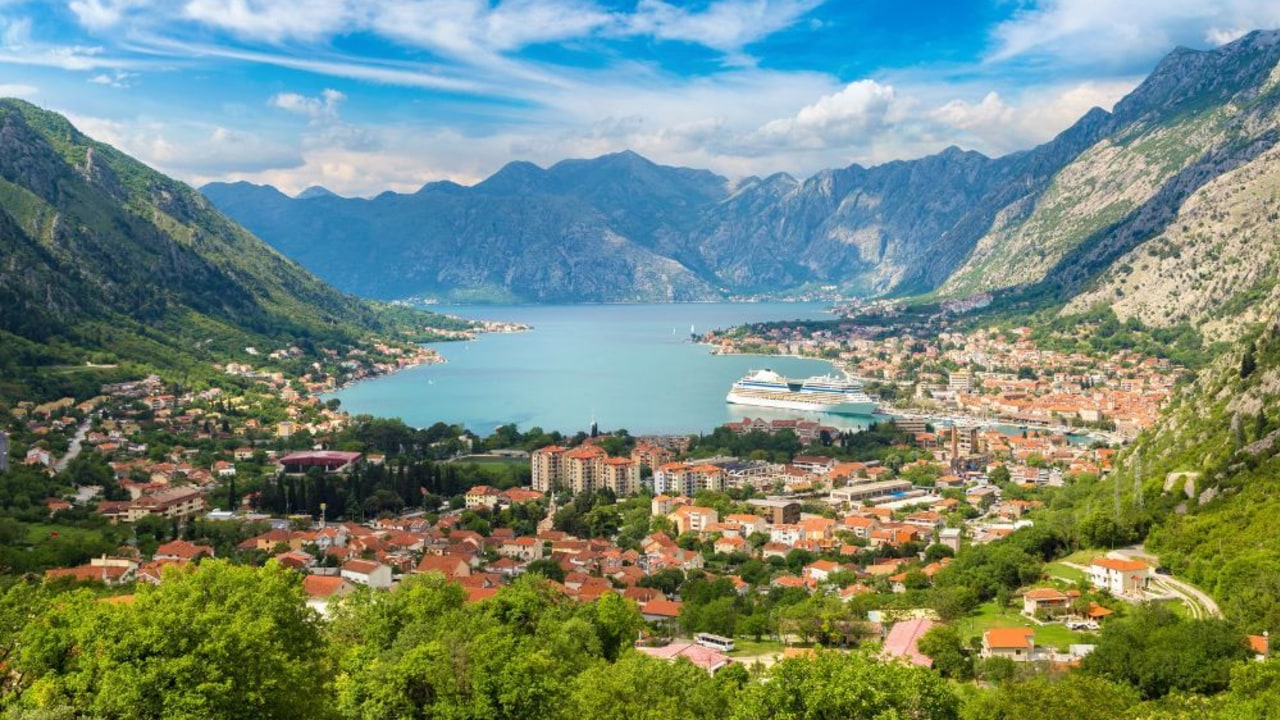
Best time to go to Montenegro
Montenegro's weather varies by region, but the coastal areas are ideal from May to September, with warm, sunny Mediterranean days. The inland and mountainous regions are cooler and best visited in spring (April-May) or autumn (September-October) for comfortable temperatures and scenic views.
Top Tourist Attractions In Montenegro

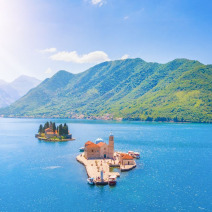
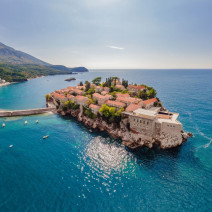
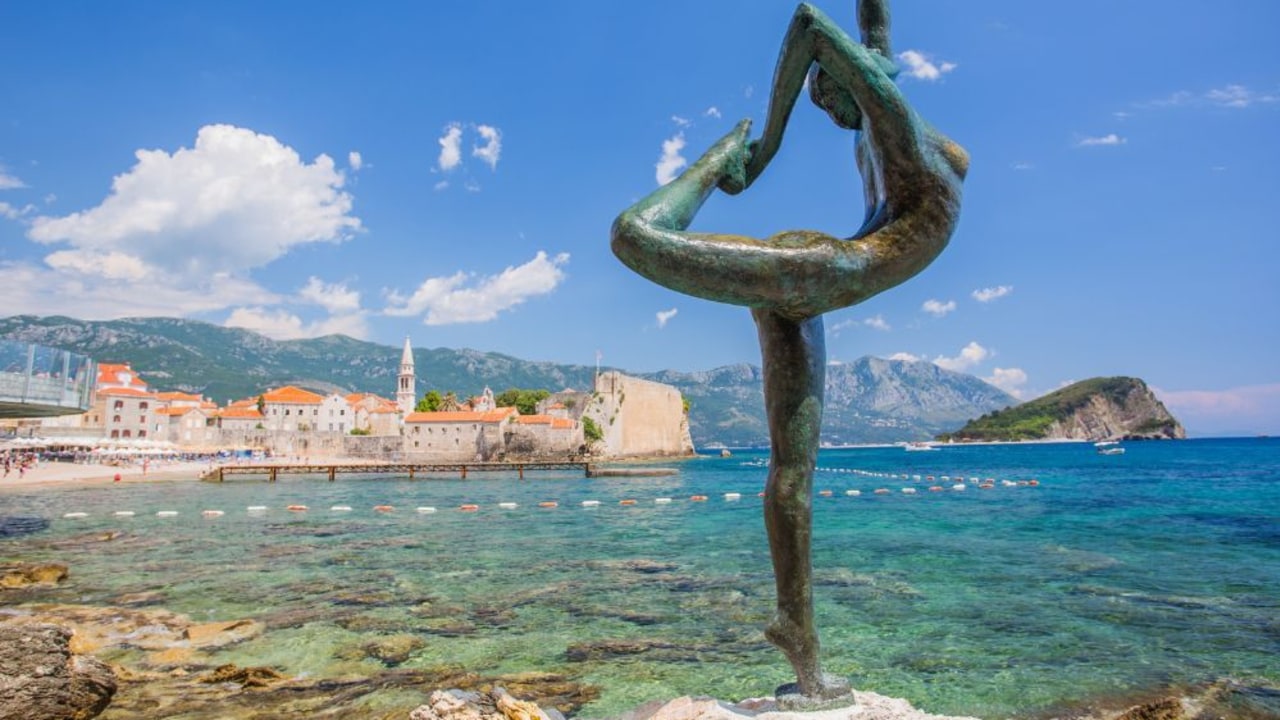
10 Best Things to Do in Montenegro
Montenegro boasts breathtaking landscapes, a captivating history, a vibrant culture, and mouth-watering cuisine. The renowned Romantic poet Lord Byron beautifully remarked, “At the birth of the planet, the most beautiful encounter between land and sea must have been on the Montenegrin coast."
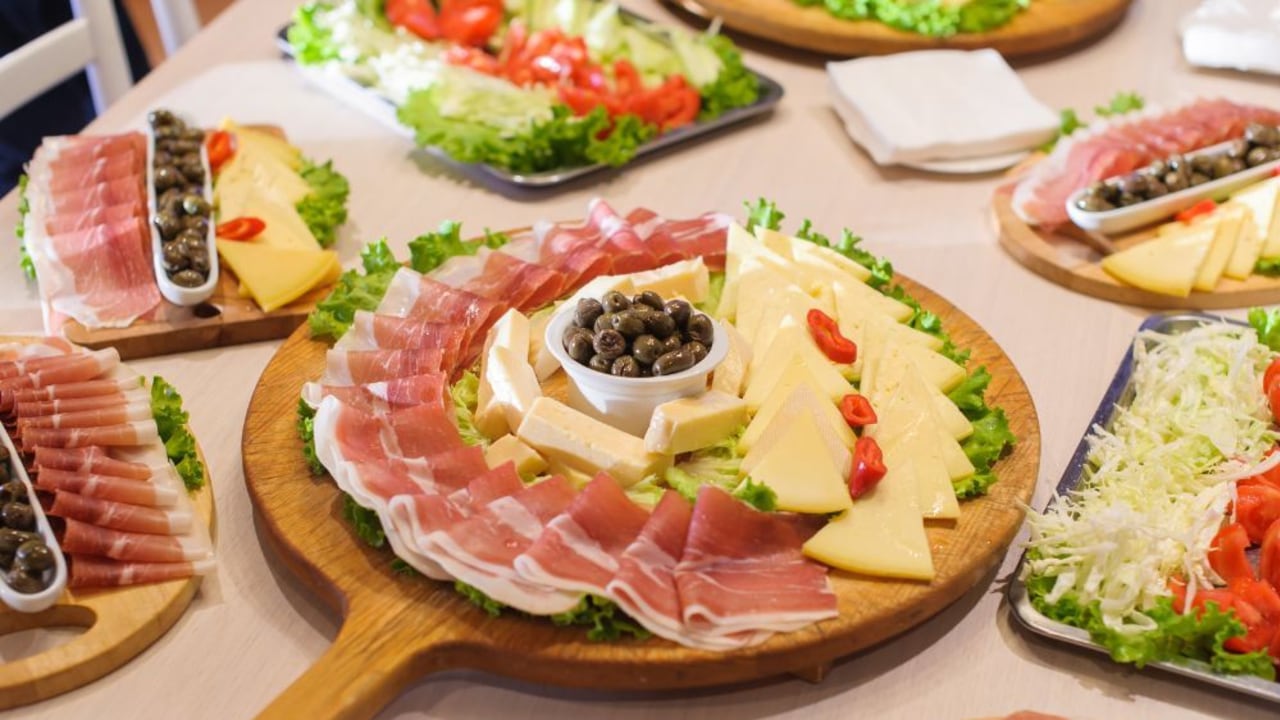
Food and drink in Montenegro
Montenegrin cuisine is a fusion of Mediterranean and Balkan flavours, featuring fresh, locally sourced ingredients. Some must-try dishes include:
- Cevapi: Grilled minced meat sausages served with flatbread and onions.
- NjeguXki Prsut: Traditional smoked ham from the village of Njeguši, often paired with local cheese.
- Black Risotto: A coastal speciality made with squid ink, seafood, and rice.
- Kacamak: A hearty dish of potatoes, cornmeal, and cheese, popular in the mountainous regions.
Montenegro also boasts excellent wine production, particularly its rich reds such as Vranac and refreshing whites like Krstac. Don't miss trying the local brandy, Rakija, a staple of Montenegrin hospitality.
Montenegro Travel Guide FAQs
Can you give a brief history of Montenegro?

Montenegro has a rich and complex history shaped by its strategic location in the Balkans. Originally inhabited by Illyrian tribes, it became part of the Roman Empire and later the Byzantine Empire. By the 15th century, Montenegro resisted Ottoman rule, maintaining a degree of independence through its mountainous terrain and strong leadership, such as the Prince-Bishops of Cetinje.
In the 19th century, Montenegro was recognised as an independent kingdom. After World War I, it became part of the Kingdom of Serbs, Croats, and Slovenes (later Yugoslavia). Following the dissolution of Yugoslavia in the 1990s, Montenegro became independent in 2006 after a peaceful referendum. Today, it is celebrated for its cultural heritage, stunning landscapes, and historical resilience.
Is Montenegro a cheap country to visit?
Montenegro is generally more affordable than many Western European countries, though prices vary by location and season. Coastal towns and popular tourist areas can be more expensive, particularly in summer, while inland regions and smaller villages tend to offer lower prices for dining, drinks, and shopping.
Is Montenegro part of the EU?
No, Montenegro is not part of the European Union. It is a candidate country for EU membership and uses the euro as its currency, but it is not a member of the EU or the Schengen Area. As a result, EU mobile data roaming rules do not apply, and travellers may incur additional charges when using mobile data, calls, or texts unless their provider includes Montenegro in its coverage.
Is there a border check in Montenegro?
Yes. As Montenegro is not in the EU or the Schengen Area, all travellers entering or leaving the country must go through passport control. During the high season, especially at the border with Croatia, long delays can occur.
Is English widely spoken in Montenegro?
English is widely spoken in tourist areas, including coastal towns, national parks, and popular attractions. Montenegrin is a Slavic language, similar to that spoken in Croatia, Serbia, and Bosnia-Herzegovina. In smaller villages or rural regions, fewer locals may speak English, so learning a few basic Montenegrin phrases can be helpful and appreciated.
Is Montenegro safe?
The places visited on your itinerary are generally safe, and our guides will ensure a secure and enjoyable experience. However, as with any destination, it’s important to remain vigilant, particularly in crowded tourist areas, to avoid pickpockets and opportunists. Always keep your personal belongings secure for peace of mind.
Is smoking prevalent in Montenegro?
Yes, smoking is fairly common in Montenegro, particularly in cafés, bars, and some restaurants. Although there are legal restrictions on smoking in indoor public spaces, these rules are not always strictly followed by some locals.
Do I need a holiday visa for Montenegro?
A valid passport is required for this holiday. Irish and British citizens staying for a maximum of 90 days in any 180-day period do not need a visa for Montenegro. Other nationalities should check their requirements.
Montenegro Travel Information
- For up-to-date information regarding entry into Montenegro please see: www.dfa.ie
- Official Montenegro Tourism Board: www.visit-montenegro.com